In a world where messaging, banking, shopping, and even personal conversations happen through
apps, privacy is no longer optional—it is a basic digital right.
Yet most users install an app, click “Agree,” and never think twice about what happens next.
Does the app store your chats forever?
Does it track your location even when you’re not using it?
Does it sell your data to advertisers?
Or worse—can someone else access your private conversations just because they got your old phone number?
You don’t have to guess. Real privacy can be measured. This digest will help you understand how to evaluate whether an app truly protects your privacy—or just claims to
1. Check How You Sign Up
If an app forces you to use your personal phone number, that’s the first indicator of limited privacy. A privacy-respecting app should offer multiple sign-up options such as:
- 1) Email
- 2) Alternative IDs
- 3) Phone number (optional, not mandatory).
Why it matters:
Phone numbers can be recycled. If someone gets your old number, they could access your backups, chats,
OTPs, or linked accounts. Email-based signup offers identity privacy and prevents phone-linked data
exposure.
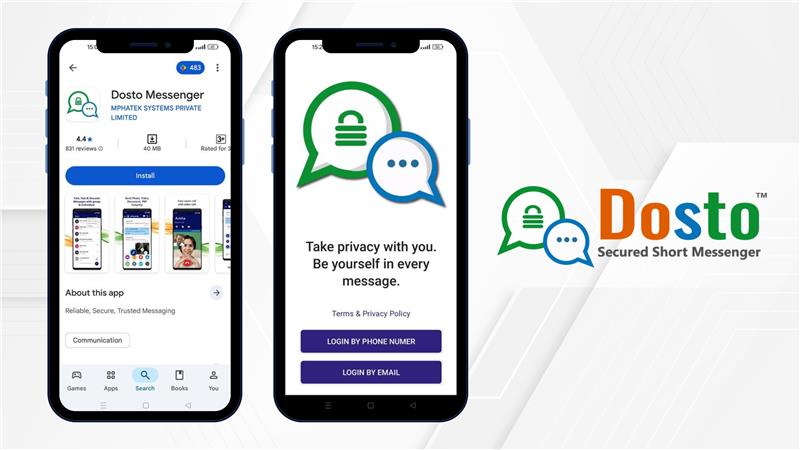
2. End-to-End Encryption (E2EE) — But Really
Every app claims it. Not every app does it properly.
True E2EE means:
- 1) Your messages are encrypted on your device.
- 2) They travel encrypted.
- 3) Only your recipient can decrypt them.
- 4) Neither the company nor any third party can read them.
A privacy-first app should encrypt:
- 1) Text messages
- 2) Voice calls
- 3) Video calls
- 4) Media (photos, documents, audio)
If only calls are encrypted but chats are not, privacy is incomplete.
3. Does the App Store Your Data?
Many apps store your messages on their servers, sometimes even after you delete your account.
A privacy-respecting platform:
- 1) Should not store your personal chats or media beyond delivery
- 2) Must offer the right to delete your account and wipe all your data permanently
Look for a feature like: “Delete Account → Deletes all backups, chats, and data from servers
permanently.”
If it isn’t clearly stated, assume your data stays forever.
4. Disappearing Messages & Auto-Delete
- 1) Disappearing messages let you decide how long messages live.
- 2) Auto-delete timers let even sensitive conversations vanish automatically.
Why it matters: If your messages don’t live forever, neither can breaches.
5. Encrypted Backups
Even if chats are encrypted, backups often aren’t.
Many platforms store your chat backup in readable form on cloud storage.
A true privacy-first app:
- 1) Encrypts backups
- 2)Lets you control how and where they are stored
- 3) Does not keep copies on central servers
6. Secure Device Access
Check if the app offers:
- 1) Multi-device login without exposing your data
- 2) Secure session handling
- 3) Device logout control
A platform should allow flexibility without compromising privacy.
7. No Data Monetization Business Model
If an app is “free forever,” ask: How do they earn money?
Common methods:
- ❌ Selling behavioral data
- ❌ Advertising based on chat patterns
- ❌ Cross-selling based on your contact list
If the company openly states: “We do not monetize user data,”
and has a business model not dependent on advertising, that is a strong privacy signal.
8. Transparent Policies & Open Communication
A privacy-respecting app:
- 1) Clearly explains what it collects and why
- 2) Does not hide sensitive information inside 20 pages of legal jargon
- 3) Offers a visible privacy policy, not buried links
If you cannot understand the policy in 2–3 minutes, that’s a red flag.
9. Optional Location Sharing — Not Constant Tracking
Location is among the most sensitive data.
A privacy-first app:
- 1) Never tracks live location without consent
- 2) Lets users share location only when they want
- 3) Ensures shared location is encrypted
Final Checklist
Before you trust an app with your personal conversations, verify:
- ✔ Optional signup (email or phone)
- ✔ Full end-to-end encryption (messages + media + calls) on
- ✔ No permanent storage of your chats
- ✔ Encrypted backups
- ✔ Disappearing message controls
- ✔ Clear no-data-monetization policy
- ✔ Transparent, readable privacy terms
If even one of these is missing, the app may not fully respect your privacy—no matter what it advertises.
Your privacy is not a luxury. It is your right.
Choose apps that are designed around it, not just marketed with it
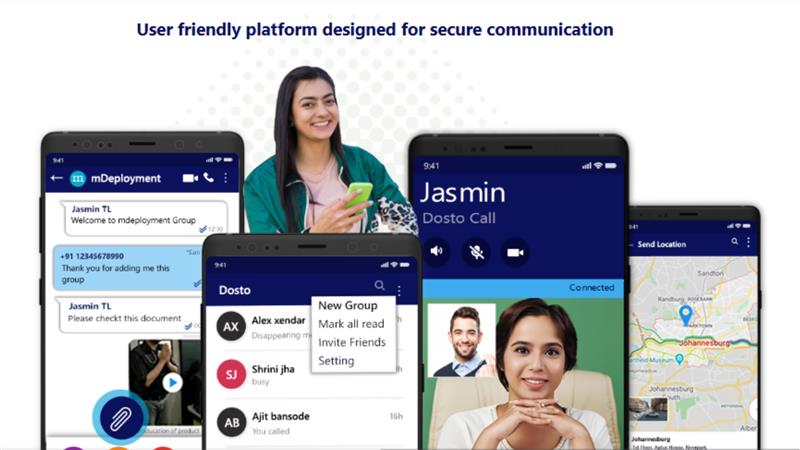
mPHATEK remains committed to digital transformation and in creating better “Experience”